
Modern-day anglers have access to an amazing array of technology designed to help them catch fish. What value can the human brain contribute to the proficiency of technologically adept anglers? How important are pattern recognition, intuition, and other innate abilities of humans, and do they still apply in the brave new world of advancing fishing technology?
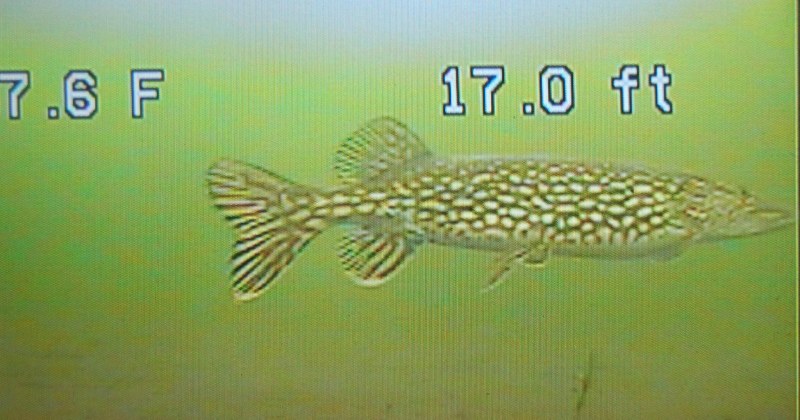
Modern electronics like sonar and GPS reduce the uncertainty of fish location. Underwater cameras verify the species and location details, as the fish appears eye to eye with the angler. Anglers can now benefit from a super array of options, that facilitate finding new locations and returning to others, side-scanning wide areas of the bottom, 3-D scanning, maintaining boat position (even in a strong wind) with GPS links to an electric motor, recording trolling tracks, plus many other technological advances and features.
While the technical revolution in fishing continues, the gift of underwater sensory perception in sonar and video applications has limitations in space and time. Reducing uncertainty in fishing goes well beyond the interpretation of slices of the fish’s world found on a screen. Electronic aids for fishing are like other tools; best interpreted and used in association with other knowledge, like ambient and seasonal influences on fish and the bite. Intuition, incorporating electronic information and using field experience to derive an understanding of where fish will be, and what it will take to catch them, is a deadly combination. But so too is knowledge of who we are and how we make decisions. It is all these skills and their integration in adaptive fishing that offer new fishing frontiers, and the bountiful gifts of better fishing.
7 Fishing for a Natural Approach < Previous
Next > 9 The Change Game
 adaptiveangler.com