
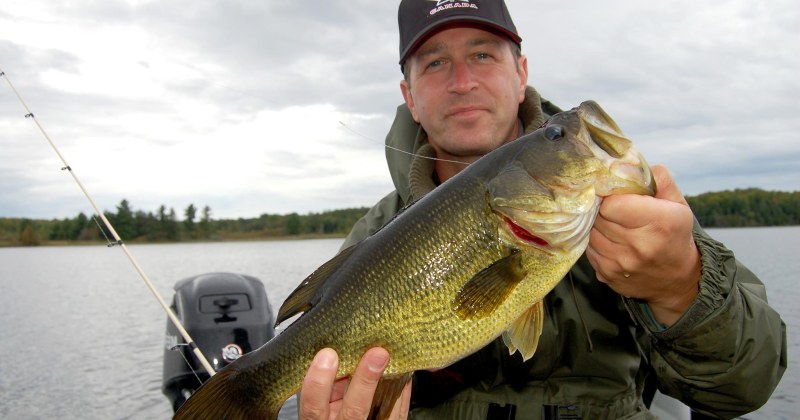
The Adaptive Fishing Story is about empowering anglers through science and experience to excel at fishing. Adaptive anglers see fishing through a “learning lens,” where accumulating knowledge and building fishing wisdom are key goals. On these pages you will discover the knowledge, skills and wisdom needed to reach your full potential as an adaptive angler.
Humans are arguably the most adaptive life form on the planet. In our comparatively short tenure on earth, we have colonized every available niche and continue to expand our distribution and numbers around the world. Our adaptive legacy has provided us with the tools, intellect and drive required to expand and flourish, often in the wake of barriers that have been defeated by technological innovation.
This “human adaptive process” is what “The Adaptive Angler” brings to fishing. The same abilities to cope with change, diminish uncertainties and make better decisions in everyday life, are applied in adaptive fishing. Most anglers seek more and bigger fish. They bring the strengths of our adaptive, opportunity-seeking nature to bear on problems encountered in fishing.
Adaptive strategies provide an enriched environment for coping with change and developing fishing skills. But nature responds to human impacts on fish populations by enhancing their ability to recognize and adapt to human predation; a primeval dance that cuts across all predator-prey relationships.
Adaptive anglers perceive fishing through a learning lens, which encourages them to make decisions that sometimes favor knowledge acquisition over the capture of more and bigger fish. Managing this trade-off between current skill-levels and benefits, and knowledge acquisition (providing greater benefits over the long run) is characteristic of adaptive management models and practice.
The book complements the industry focus on fishing tackle, advancing technology, fish behavior and the science-backed “how-to” of fishing tactics in the outdoor media. Adaptive anglers also identify internal or human factors presenting self-imposed barriers to fishing skills improvement. These internal factors define “who we are” as anglers and people. We can accelerate fishing knowledge acquisition by questioning our performance and having the mental flexibility to make better fishing decisions going forward.
An objective, scientific mindset is a great advantage to anglers. Our species tends to interpret what we may observe in nature based on our human experiences. Trying to explain fish hunger or biting behavior based on the observed nature of human appetite is an example of what is known as “anthropomorphism,” or according human intentions, characteristics and behavior to non-human life forms. A second similar phenomenon is “anthropocentrism” or the tendency to believe that humans are, from an ecological perspective, the most important life form on the planet. Our relationship with nature remains complex yet profound. Mother Nature continues to override human influences, and sometimes in a spectacular way. So clearing our heads about causes and effects, while leaning toward scientific objectivity, is a good starting point for adaptable anglers.
One important way the book differs from some of the traditional fishing media lies in the use of scientific findings and concepts. In-Fisherman magazine assumed a leadership role in applying science to fishing, from their inception decades ago. The magazine has a highly-qualified staff trained in fisheries science, with experiences in freshwater fishing spanning the continent. Other magazines and media regularly report scientific findings and what they might mean to anglers. Adaptive fishing has a complementary presence with a focus on applying adaptation principles and related scientific findings to fishing. “The Adaptive Angler” encourages anglers to “look deeper and learn more” about fishing and its profound connections in nature. An Adaptive Fishing Model with origins in the applied field of adaptive management is presented in the book, as a practical learning tool for anglers.
“The Adaptive Angler” explores concepts and findings in the scientific literature that have been, for the most part, overlooked by anglers. The book also extends the theoretical underpinnings of fishing science to discoveries in other fields. These new sources of fishing knowledge bring important concepts like pattern recognition and the development of fishing intuition, into adaptive fishing.
Some concepts are a step or two away from a typical fishing “how-to” learning experience. New concepts enable anglers to dig deeper, unraveling secret fishing savvy as connections between fish and their environment, are exposed through a different learning lens.
Wrong ideas are better than no idea in science and in adaptive fishing. Science advances by disproving ideas and theories, which is a vastly different approach from the traditional way of garnering “expertise” in the modern fishing world. Most anglers take ideas about where fish are and what to use to catch them to the water based on previous fishing experiences. They go to familiar places and use a limited selection of trusted lures and presentations. A scientist would look for fish in different places and try to disprove their ideas about where the fish are and what they are biting. These differences between the scientific approach and the game plan of most anglers can sometimes make it difficult to draw science-based conclusions about where we find and how we catch fish.
Next > 2 Adaptive Angler Background
 adaptiveangler.com