
Some of my favourite fishing photos over the years.
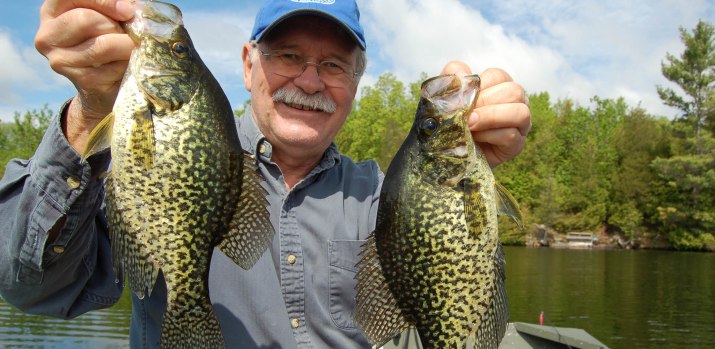
Dr. Bob Bailey hefts a couple of spring slabs from a warm backwater. The fish were just moving in for the spawn as the water temperature reached 65 F (18C).
Late ice and jumbo perch (picture of me with a perch on the ice) are a rewarding combination. Perch often stage adjacent to spawning habitat, but some remain in deeper until the spawn is triggered. Temperature reversals with cooling waters can be disruptive to spawning perch.

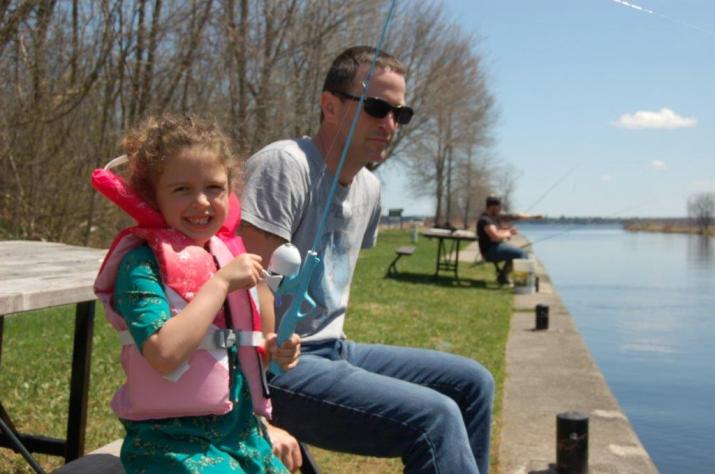
Dr. Bob’s son Patrick and Granddaughter Madison get set-up for a day of spring bluegills and crappies. Areas of confined warm water in lock systems, backwaters and canals attract swarms of minnows and invertebrates, setting off a classic food chain reaction.
The best bite for native lakers occurs during hot spells in early summer. There can be three glorious weeks before these fish settle down to their picky ways. The bite tapers off through July and can almost disappear in August.
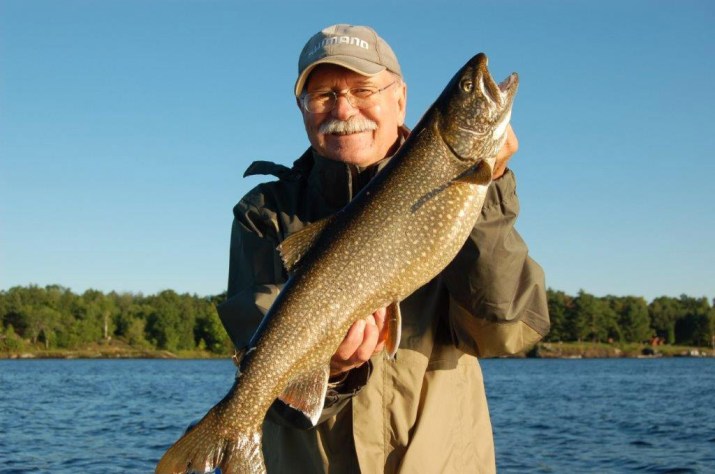

Murray Boyce and his dancing spoons claim another victim, as a nice laker emerges from the deep. Triggering fussy lakers with jigging spoons is a skill requiring hundreds, if not thousands of hours in practice. Big lakers seem to learn how to avoid most lures and presentations.
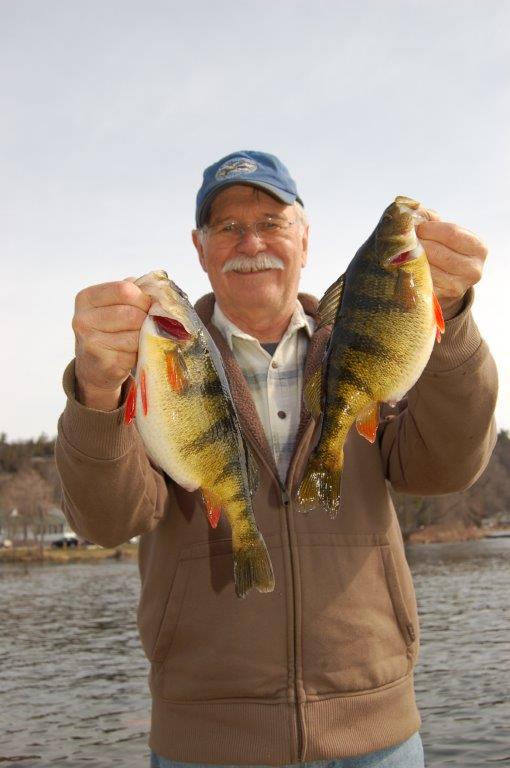
The first step in catching truly monstrous jumbo perch as demonstrated by the author, Dr. Bob Bailey, is to fish in places where they live. Most waterways fall short of the right conditions for producing 2 lb. perch consistently (usually 14.5 to 15.0 inches in length). Abundant, high quality food is key, so perch can shift among food resources while they grow. Big perch are efficient foragers, moving from super-abundant resources (like freshwater shrimp and emerald shiners) to larger food items like alewives, shad, and other pelagic bait fish. Perch start to exploit larger food items like pelagic bait fish as they reach 12.5 to 13.0 inches in length, give, or take a little. In my areas, the target forage is usually alewives, up to about 5 or 6 inches in length.
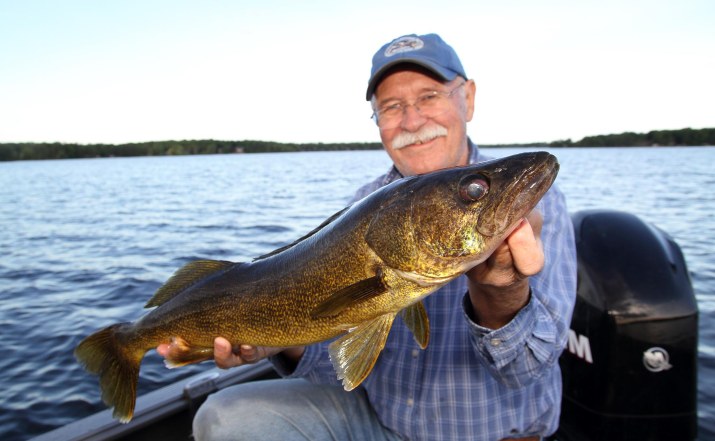
This dark, stained-water beauty is a product of biological renewal (given a chance), coupled with a commitment to science-based fisheries management.
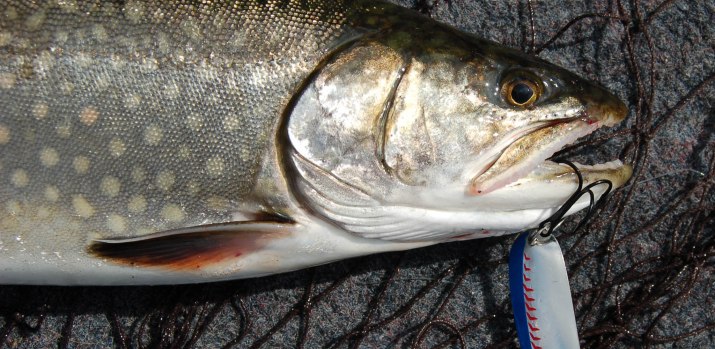
Splake are a colorful combination of speckled, or brook trout and lake trout. These hybrid fish do not reproduce, but they are a hardy choice for fishery managers hoping to create a “put, grow and take” trout fishing opportunity. When fishing for splake, it is useful to retain the fact that the fish was created as a combination of two species. This blended background often influences the kind of habitat splake may prefer, and how it might respond to your lures and presentations.
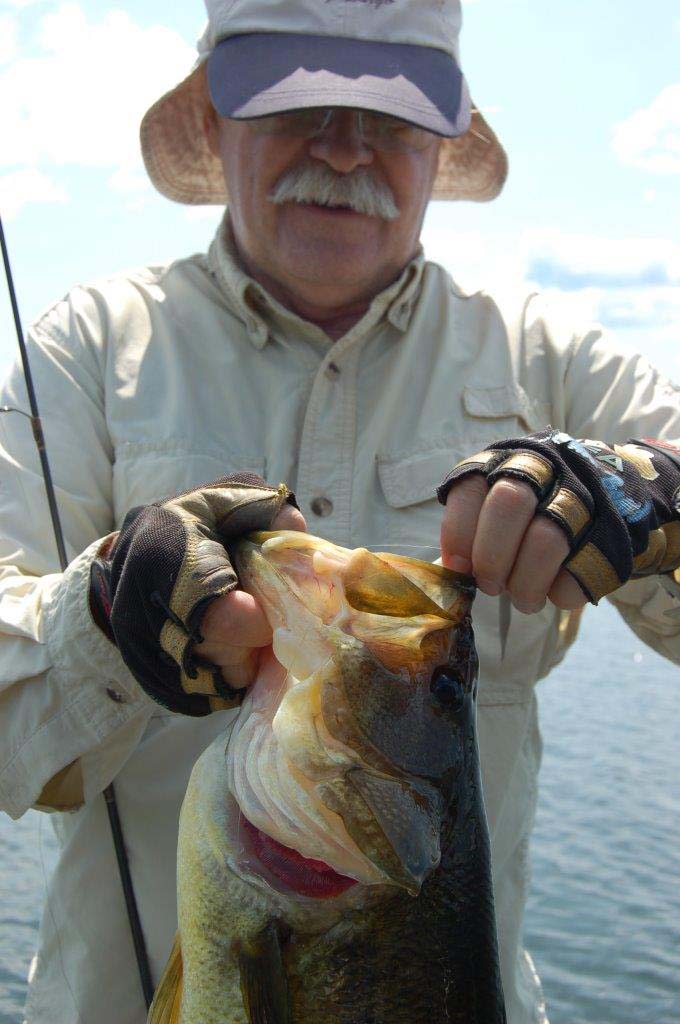
This extremely rare fish is a gigantic, northern-dwelling, largemouth bass, which was captured and released back into its northern environment. I estimated the fish to be close to 8 lbs, which makes it the largest largemouth I have taken from northern waters. I did not measure or weigh the fish, but opted to settle for a few photos.
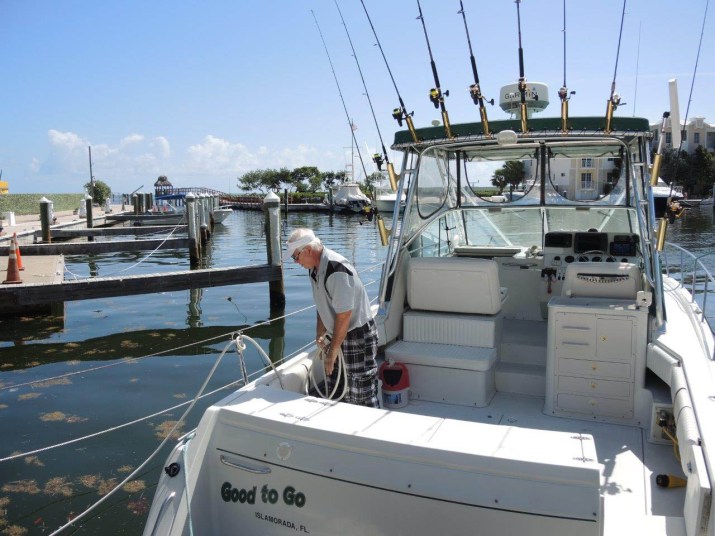
Author’s brother George Bailey preps the boat for a day chasing reef fish off the Florida Keys.
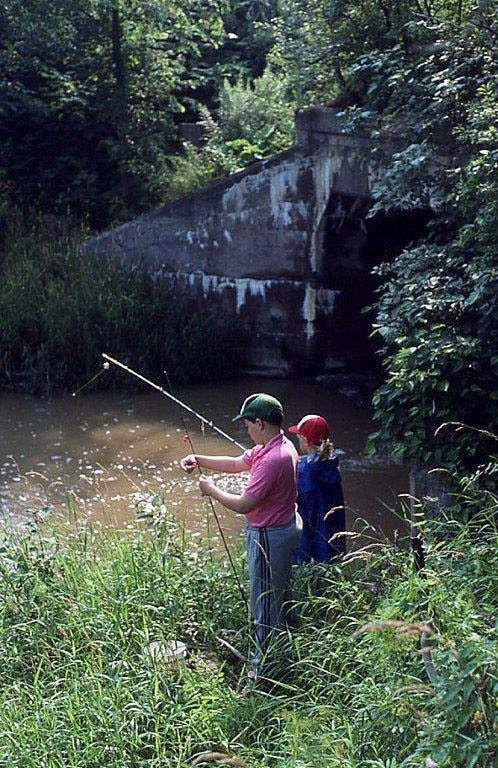
Treasured moments in fishing, when two young brothers head for the creek and all of the hidden mysteries it holds.
 adaptiveangler.com